
Est. wait: 1 min
Response by Tue
Response by Tue
Response by Tue
Response by Tue
Anonymous Source
I was standing beside a significant crack in a newly poured concrete slab on a metal deck, and I must have looked deep in thought. “Whatcha doin’?” It was a finisher with the concrete subcontractor. “Trying to figure out why this cracked so soon,” I said. “It was only placed yesterday.” He gave me a look, shrugged, and said, “Fish gotta swim, birds gotta fly, and concrete’s gotta crack,” then walked away. I thought about how I might work that into my report but decided instead to point out hot, dry winds and delays in the saw-cutting of expansion joints, among other things. What he told me, however, had a great deal of truth in it.
Cracks in concrete are so common that they’re practically inevitable. The good news is, not all of them are bad. The bad news is, sometimes it’s hard to tell the difference. So much has been written in research papers, reports, blogs, and articles about the causes and prevention of cracks in concrete that I can honestly say I don’t have anything useful to add to that side of the discussion. What I can do to help is pass along some information on how best to measure and monitor cracks and select the best equipment for the job.
When cracks are conspicuous, all the stakeholders in the project are immediately concerned about the potential of serious structural problems and the cosmetic impact on the structure. So, there is often an urgency to find answers and start corrective actions. What this blog post will do is offer some solutions for suitable methods and equipment to investigate cracks in concrete.
The first steps of an investigation should always focus on the basics, documenting location, and dimensions. Determining the length is straightforward using simple measuring tapes or other large-scale distance measuring tools.
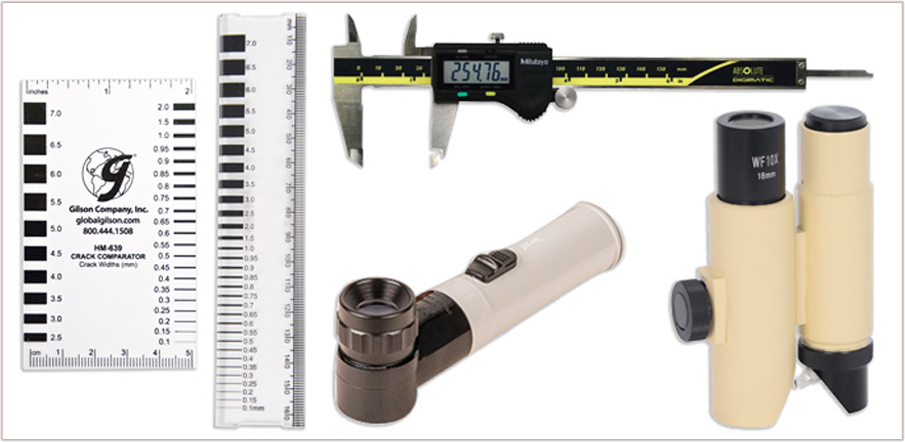
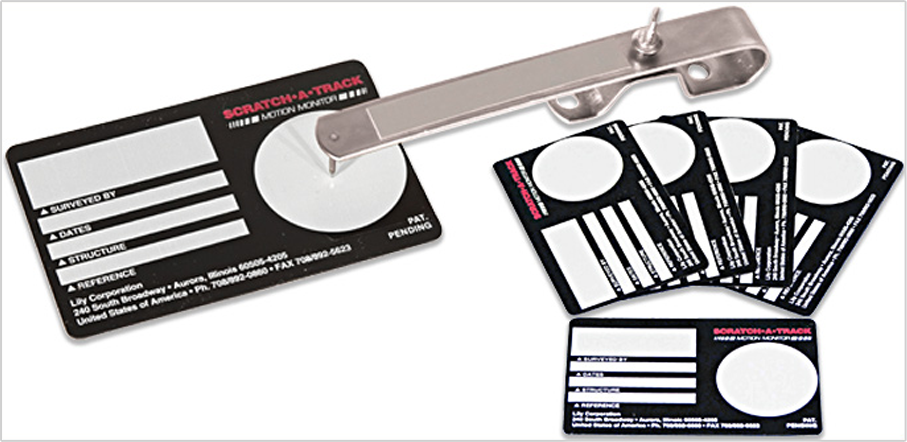
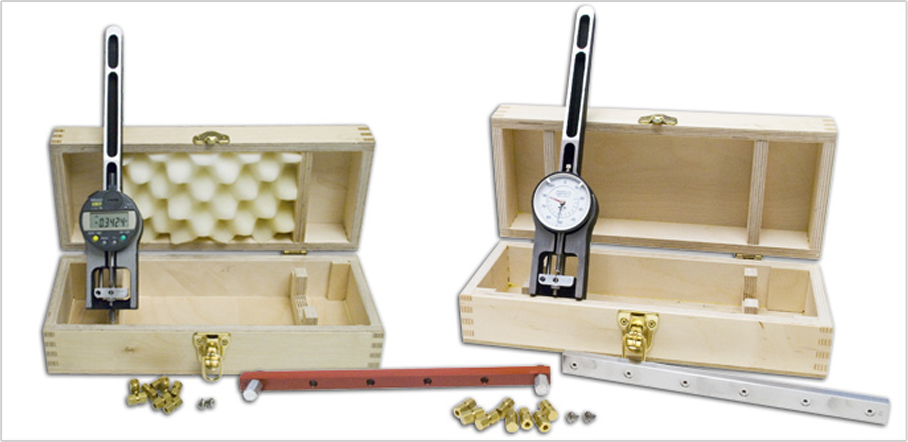
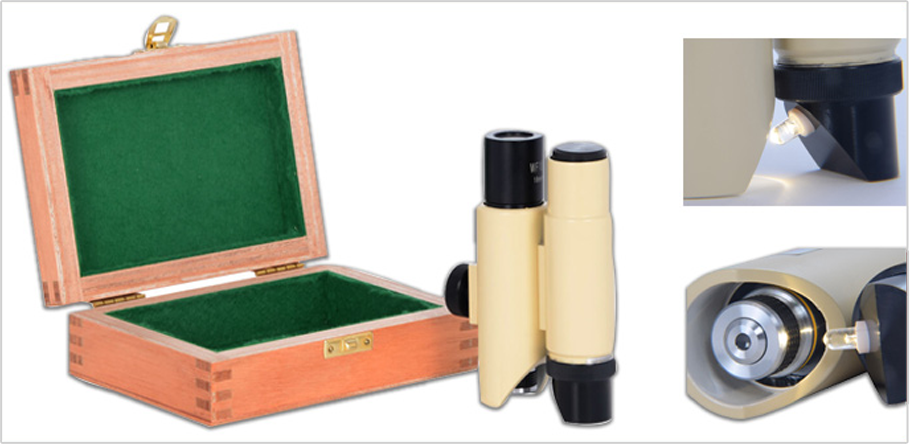
Establishing the width of the crack at the beginning of the investigation is essential to determine the rate of movement. A variety of devices can be used for initial width measurement.
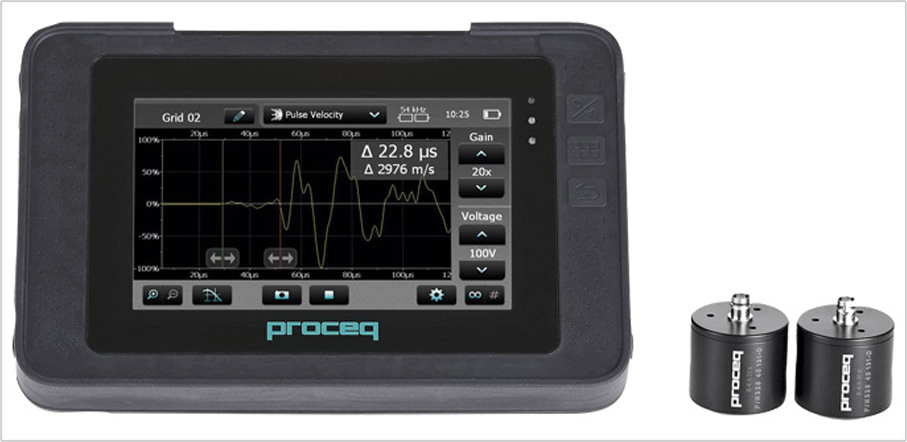
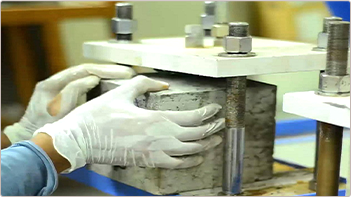
As concrete cracks extend in-depth, they become progressively narrower and challenging to detect. Accurate depth measurements require instruments that look for discontinuities in the concrete to indicate the extent of a crack. Ultrasonic pulse velocity is one such method and operates by detecting the travel time of stress waves of ultrasonic energy transmitted through concrete sections. Longer travel times through the same cross-sectional areas indicate discontinuities and potential cracking. Varying the transducer spacing between readings and noting the travel time differences allows more accurate depth estimations. ASTM C597 describes methods and equipment required to determine the velocity of stress waves through concrete.
Locating and identifying a crack is just the start of a process. It must be monitored over time to document any changes. Continued movement or expansion of a crack are signs that the structure is not yet stable, and there is still potential for structural damage.
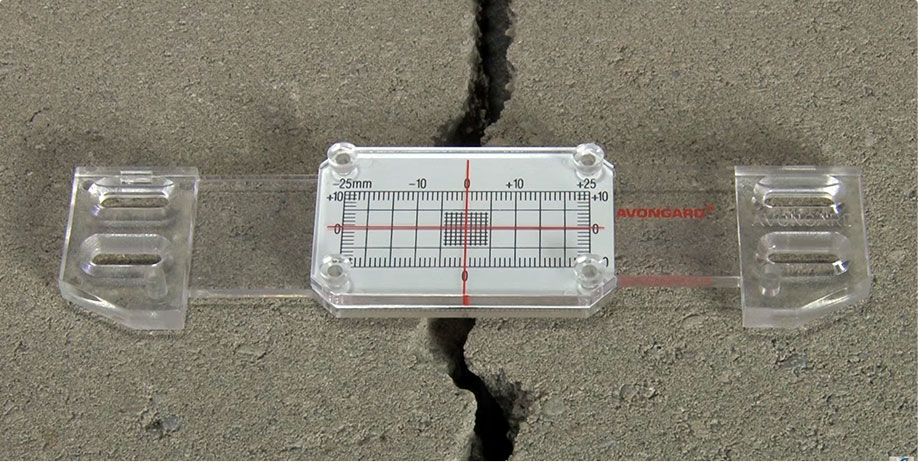
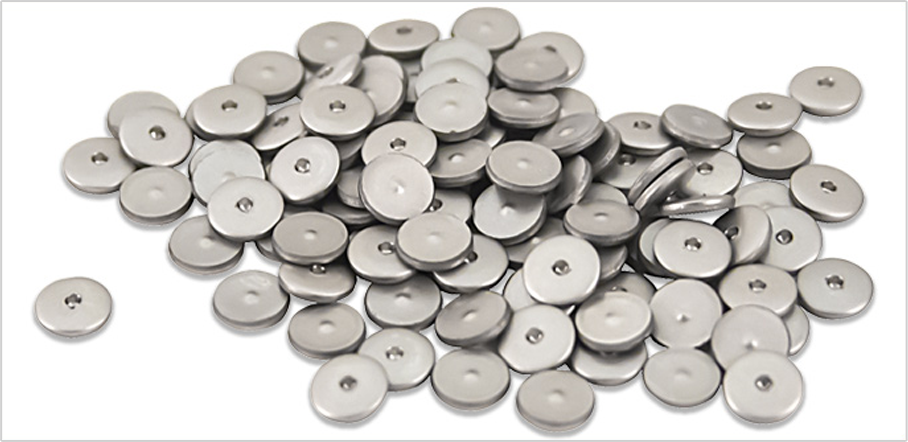
Just detecting movement does not call for complicated technology. Two nails driven on either side of a crack can show whether there has been movement, at least in a single dimension. What’s missing with this method is collecting accurate data on the amount and rate of change as well as movement direction and differential displacement. All these factors can help tell the difference between a simple shrinkage crack, the beginnings of foundation failure, or (more likely) some problem in between.
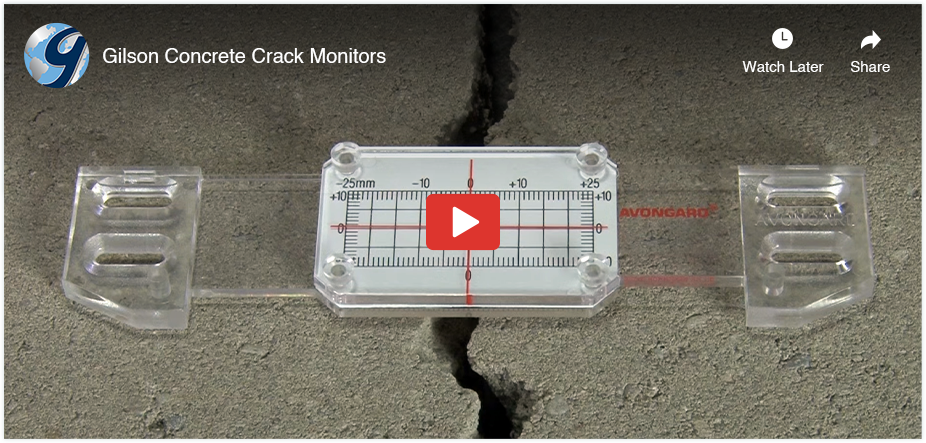
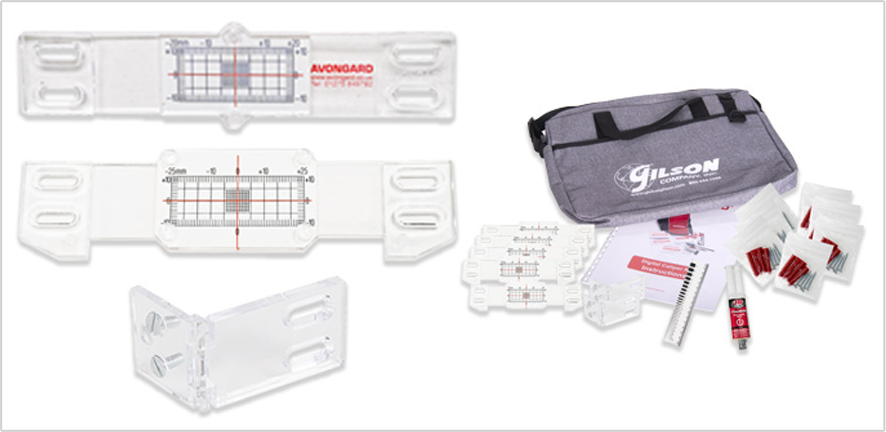
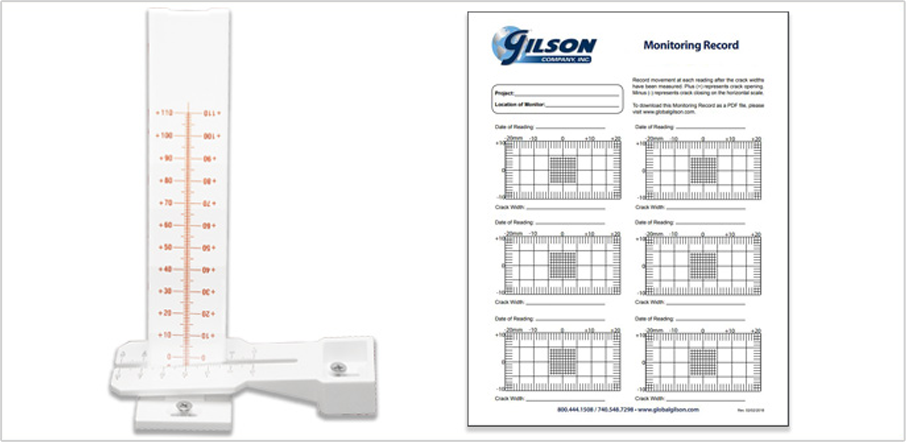
Basic crack monitors consist of two overlapping plastic tabs mounted on opposite sides of the crack to be studied. The bottom tab is white and etched with a black grid marked in millimeters. The top piece is transparent with a red crosshair. As each side of the crack moves relative to the other, scheduled monitoring of the crosshair position shows the exact amount, direction, and rate of movement. Gilson provides Recording forms that can be downloaded at no charge.
Displacement monitoring record sheets are available for download at no charge for the recording of data.
I hope this blog post has given you some guidance in selecting and using methods and equipment to evaluate cracks in concrete. For a complete list of our crack monitoring equipment visit our Concrete Crack Monitors page. Please contact the testing experts at Gilson to discuss your applications.
Stay Up-to-Date with All of Our Gilson Insight and Company News
Comments
2 Responses to Concrete Cracking: Evaluating Width, Depth & Movement
Ben Backus
September 30, 2019 at 1:15 pm
Please send me pricing and literature on these systems, a friend and a plumber Norm Block deals with you guys a lot and we as a company are looking forward to do the same, thank you.
Ben Backus
September 30, 2019 at 1:15 pm
Please send me pricing and literature on these systems, a friend and a plumber Norm Block deals with you guys a lot and we as a company are looking forward to do the same, thank you.
Do you have a topic you want covered in a
Gilson Insights blog post?
Please submit the topic / details and we will add it to our todo list.